How Your Roof Affects Your Home's Comfort and Efficiency
Your roof does much more than shield your home from rain and wind. It plays a major role in maintaining indoor comfort, controlling energy consumption, and protecting the overall value of your property. The materials you choose, the color of the roof, its ventilation system, and its long-term durability all influence how efficiently your home performs throughout the year. Working with experienced roofing contractors can help homeowners select solutions that improve comfort while lowering operating costs. Understanding these factors allows you to make informed decisions that support both your budget and your home's long-term performance.
The Role of Roofing Materials in Insulation
Insulation is one of the most important components of an energy-efficient home. A properly insulated roof limits heat transfer, helping keep interiors warmer during colder months and cooler during hot weather. This reduces the workload placed on heating and cooling systems, which can lower utility expenses and extend equipment life.
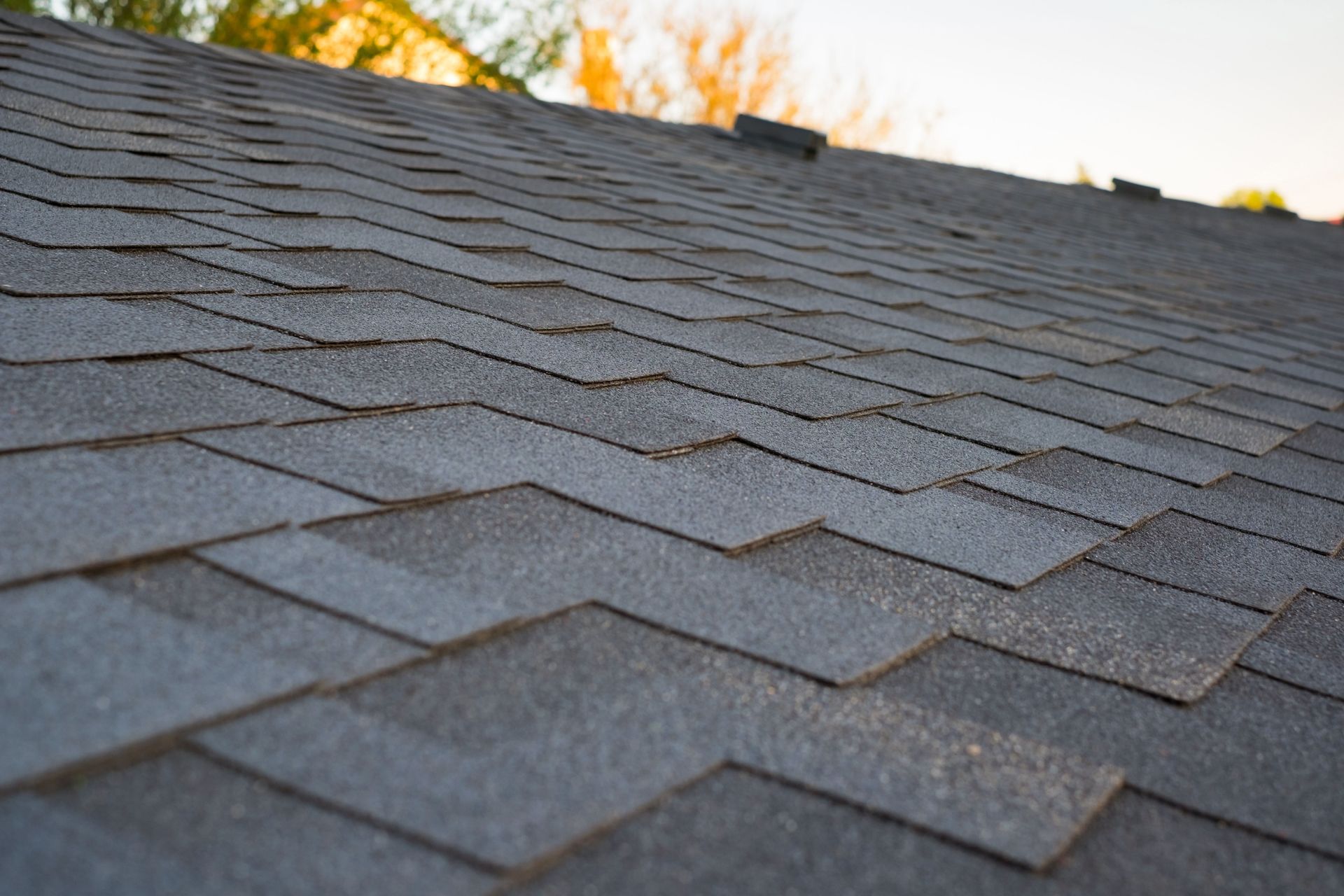
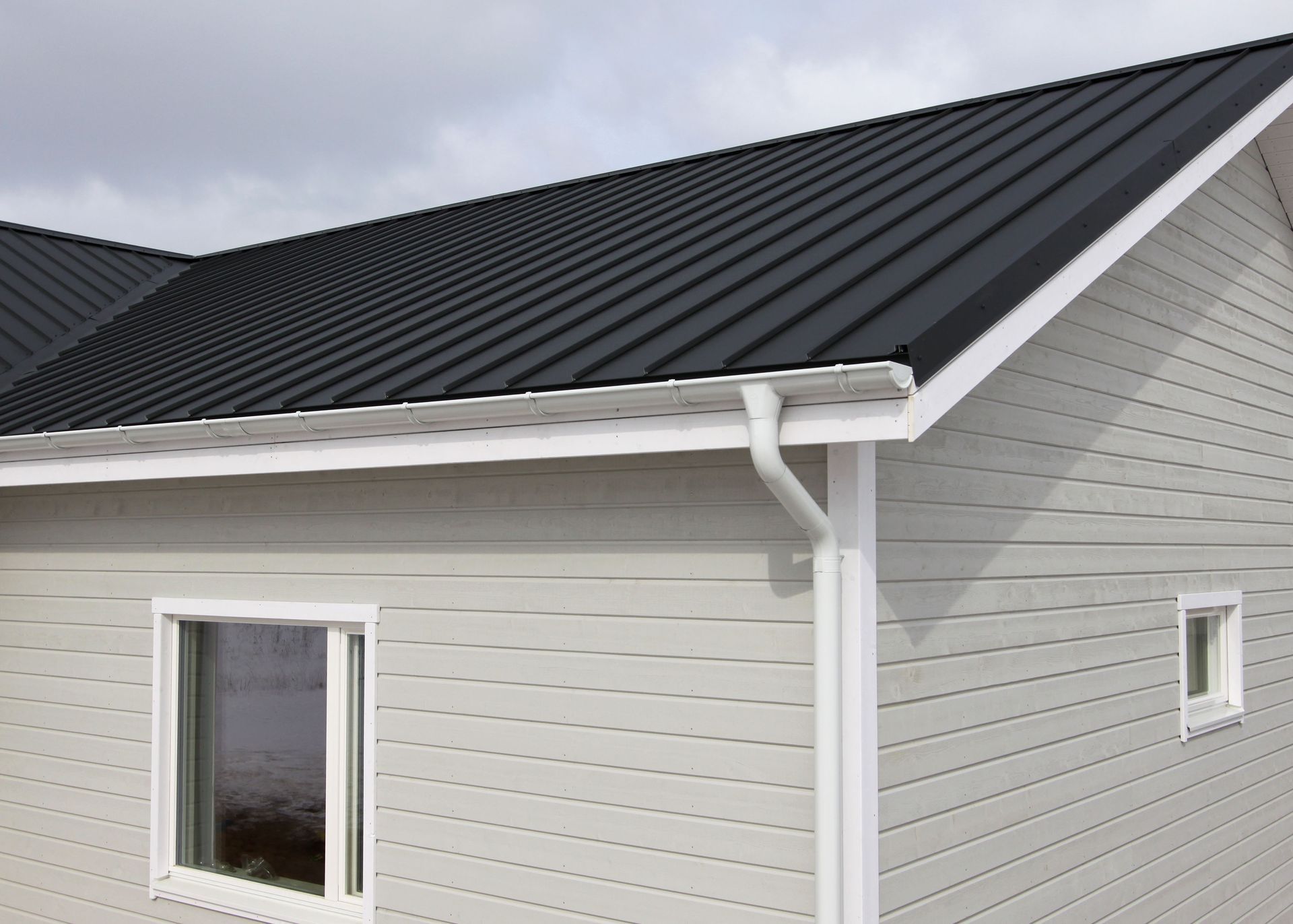
Different roofing materials provide varying levels of insulation and performance. Asphalt shingles remain a common option because of their affordability and versatility. Metal roofing has become increasingly popular because of its durability and efficiency benefits. Tile roofs, often made from clay or concrete, offer strong thermal performance by helping regulate indoor temperatures through their natural thermal mass.
Eco-conscious homeowners may also consider sustainable alternatives. Recycled roofing products and green roofing systems can improve insulation while supporting environmentally responsible practices. Although these options may involve a larger upfront investment, they often contribute to lower energy consumption over time. Experienced roofing contractors can explain the advantages of each material and recommend solutions based on climate, design preferences, and budget.
The Impact of Roof Color on Energy Efficiency
Roof color significantly influences indoor temperatures because it affects how much solar heat a home absorbs. Lighter-colored roofing materials reflect more sunlight, reducing heat buildup and helping homes stay cooler during warmer seasons. This can ease the demand placed on cooling systems and improve overall efficiency.
Darker roofing materials absorb more heat. In colder regions, this characteristic can help retain warmth and reduce heating needs. However, in areas with extended periods of high temperatures, darker roofs may increase cooling demands. Selecting the right roof color should involve consideration of local weather conditions and seasonal trends. Homeowners who work with knowledgeable roofing contractors can choose colors that support comfort while improving energy performance throughout the year.
The Importance of Ventilation and Roof Design
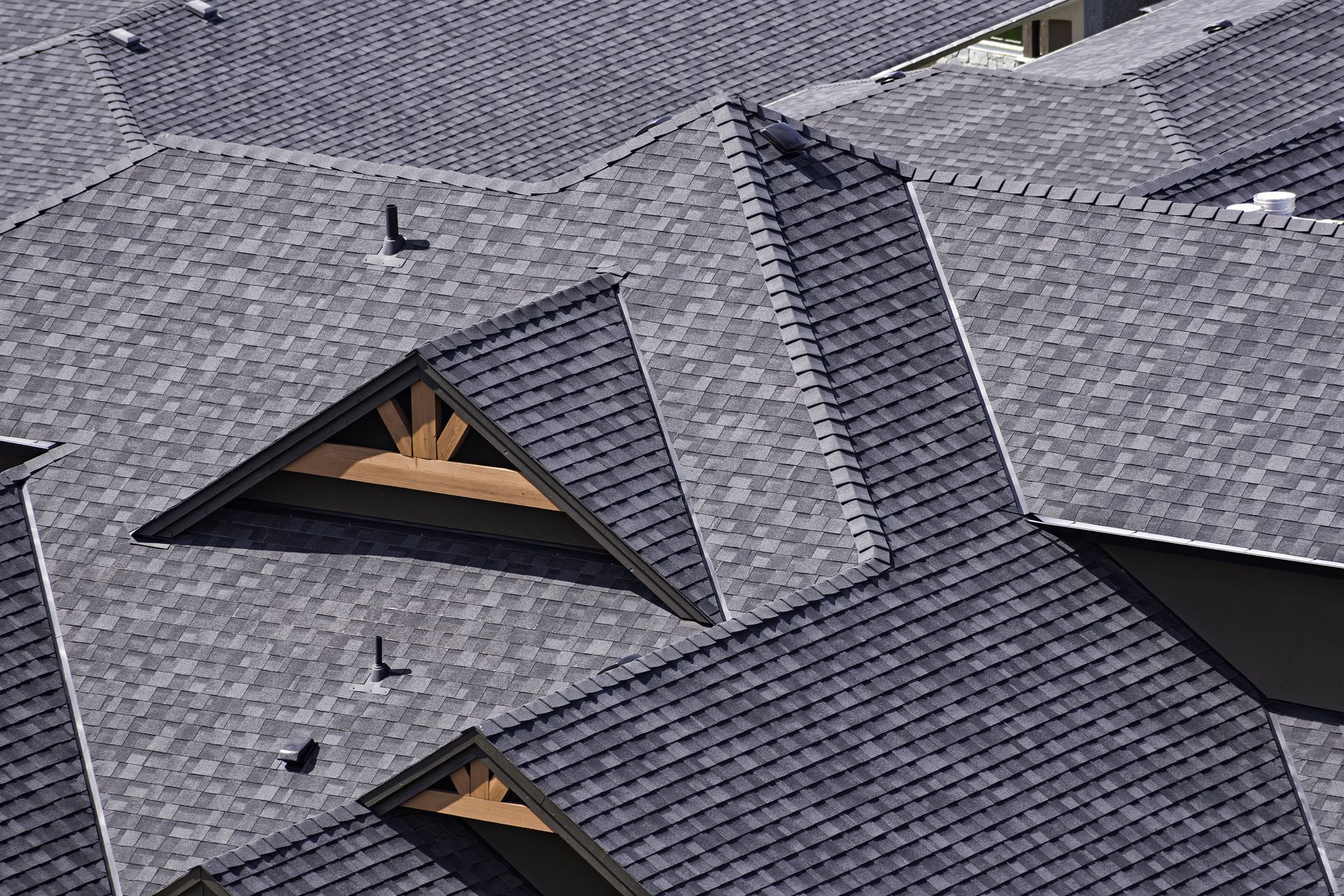
Ventilation is essential to maintaining a healthy and efficient home environment. Proper airflow allows excess heat and moisture to escape, reducing the likelihood of mold growth, wood deterioration, and temperature imbalances. Several ventilation systems can improve roof performance. Ridge vents release warm air near the roof peak, while gable vents encourage cross ventilation throughout attic spaces. Attic fans may also assist by drawing hot air outside and allowing cooler air to circulate.
Roof design itself also affects airflow. Steeper roof slopes often promote natural ventilation by encouraging rising heat to exit more efficiently. Architectural elements such as overhangs and eaves can further improve cooling by directing airflow and reducing heat exposure. When ventilation is incorporated into a comprehensive roofing plan, homeowners can reduce strain on heating and cooling equipment while improving indoor comfort. Professional roofing contractors understand how ventilation systems interact with roof structure and can identify opportunities to maximize efficiency.
Roof Longevity and Continued Performance
A roof that remains in excellent condition continues to provide dependable insulation and protection. Several factors influence longevity, including material quality, exposure to severe weather, and maintenance practices. Metal and tile roofs are often recognized for their durability and ability to withstand challenging environmental conditions. Asphalt shingles can also provide reliable performance when properly installed and maintained. Regardless of the material selected, routine care remains essential.
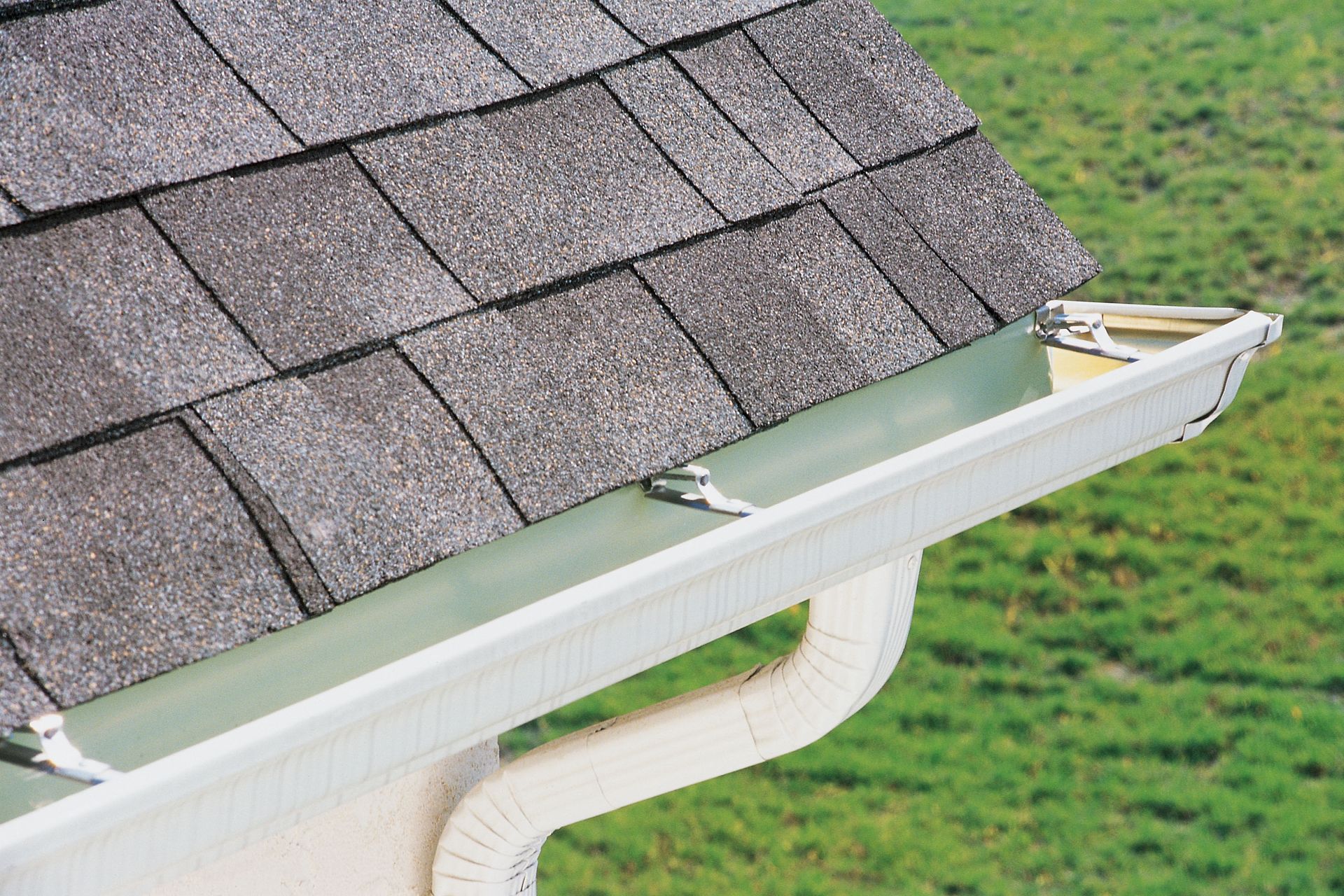
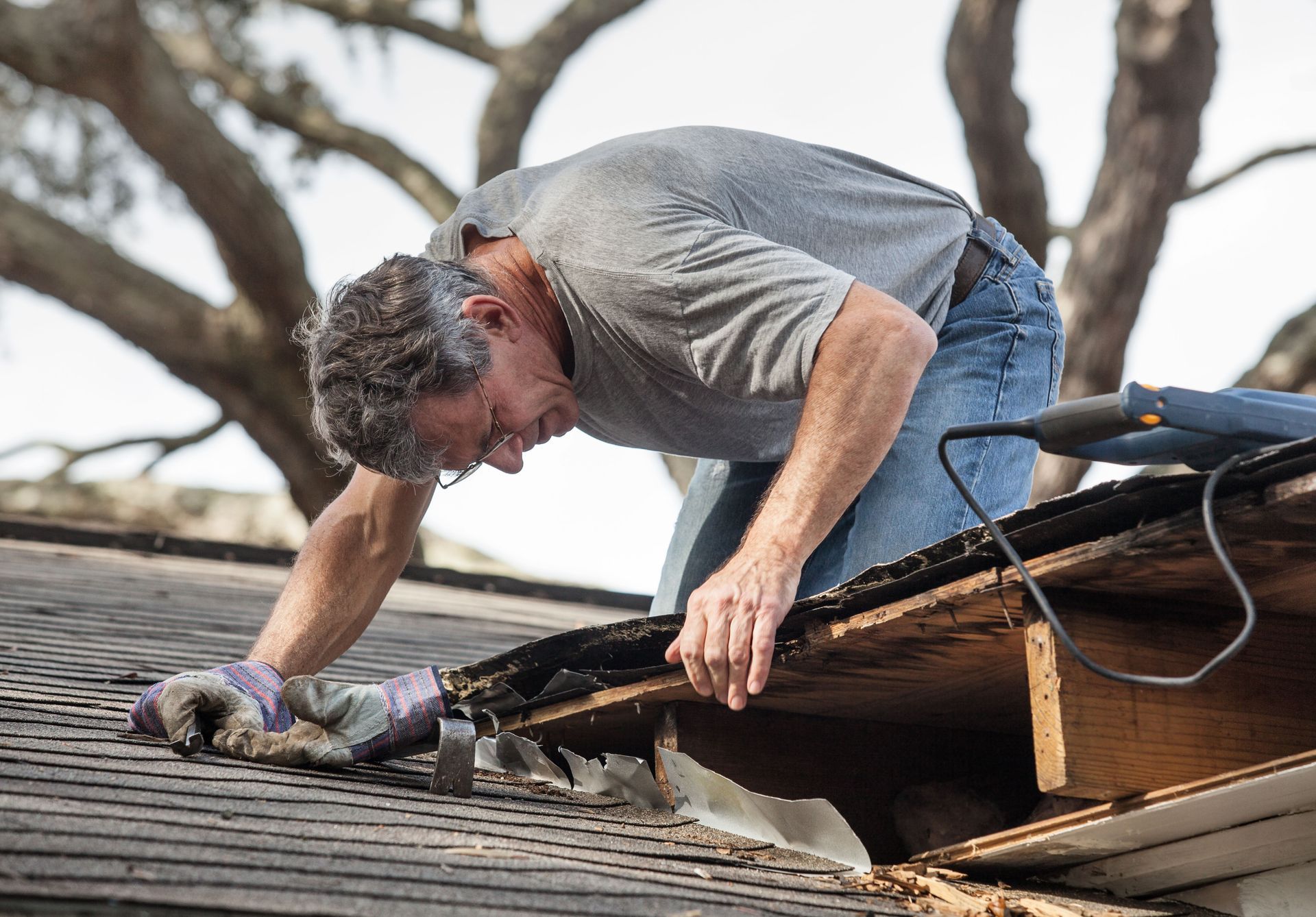
Regular inspections help identify issues before they become expensive repairs. Small concerns such as damaged shingles, clogged gutters, or minor leaks can compromise efficiency if left unresolved. Prompt repairs preserve structural integrity and help maintain insulation performance.
Modern roofing technology has also introduced innovations that extend roof life and improve efficiency. Reflective coatings, advanced composites, and integrated energy-saving features allow homeowners to maximize the return on their investment. Trusted roofing contractors can recommend products designed to deliver lasting value while meeting the specific demands of the local climate.
Roofing and Indoor Noise Reduction
The roof contributes not only to energy performance but also to indoor comfort through sound control. Homes located near busy streets, commercial areas, or high-traffic environments often benefit from roofing systems designed to reduce outside noise.
Dense roofing materials naturally absorb sound more effectively than lighter alternatives. Clay tiles and heavier shingles can minimize the transmission of environmental noise. Metal roofs can also offer improved sound performance when paired with proper insulation and underlayment.
Construction methods further enhance acoustic comfort. Additional underlayment layers, insulation materials, and specialized installation techniques help dampen vibrations and limit sound penetration. These strategies create quieter living environments while preserving the roof's protective capabilities. By discussing sound reduction priorities with roofing contractors, homeowners can select systems that address both efficiency goals and quality-of-life considerations.
The Financial Value of Energy-Efficient Roofing
Roofing should be viewed as a long-term investment rather than a short-term expense. Initial costs vary depending on material selection, installation requirements, and design complexity. While premium materials may require a larger upfront commitment, they often provide ongoing financial advantages.
Energy-efficient roofing systems can significantly lower heating and cooling expenses. According to Insider, homeowners who switch to metal roofing may reduce annual energy costs by as much as 40%. This highlights how investing in higher-performing materials can generate meaningful savings over time. Reflective surfaces, improved insulation, and effective ventilation all contribute to reduced energy consumption. These benefits continue throughout the life of the roof, helping offset installation costs while supporting household budgets.
A high-quality roof can also strengthen resale potential. Prospective buyers often value homes that feature durable materials, lower maintenance requirements, and energy-conscious upgrades. Efficient roofing systems signal long-term reliability and may enhance a property's appeal in competitive markets. Working with reputable roofing contractors allows homeowners to evaluate both immediate expenses and future financial benefits, resulting in decisions that support lasting value.
The Importance of Professional Installation
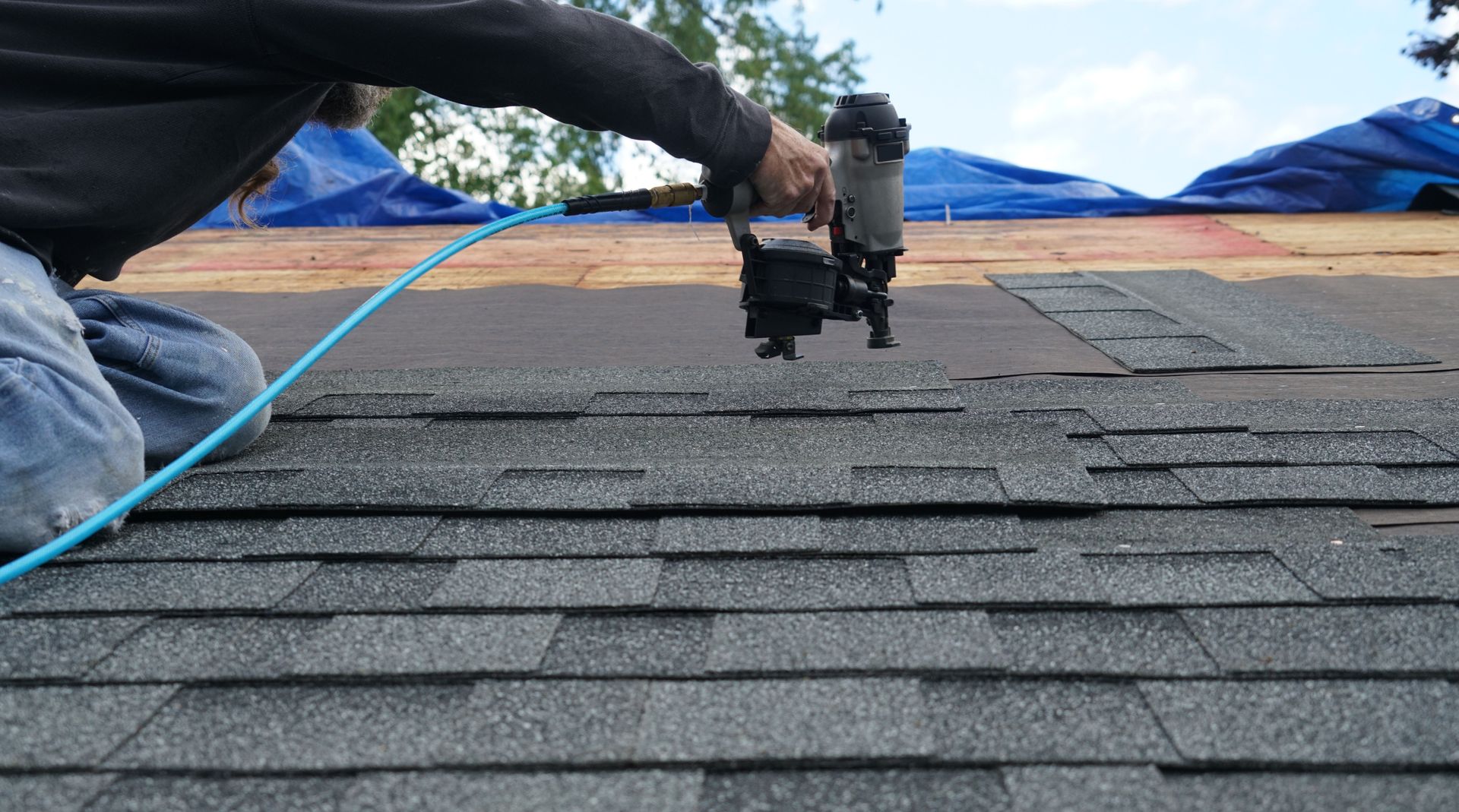
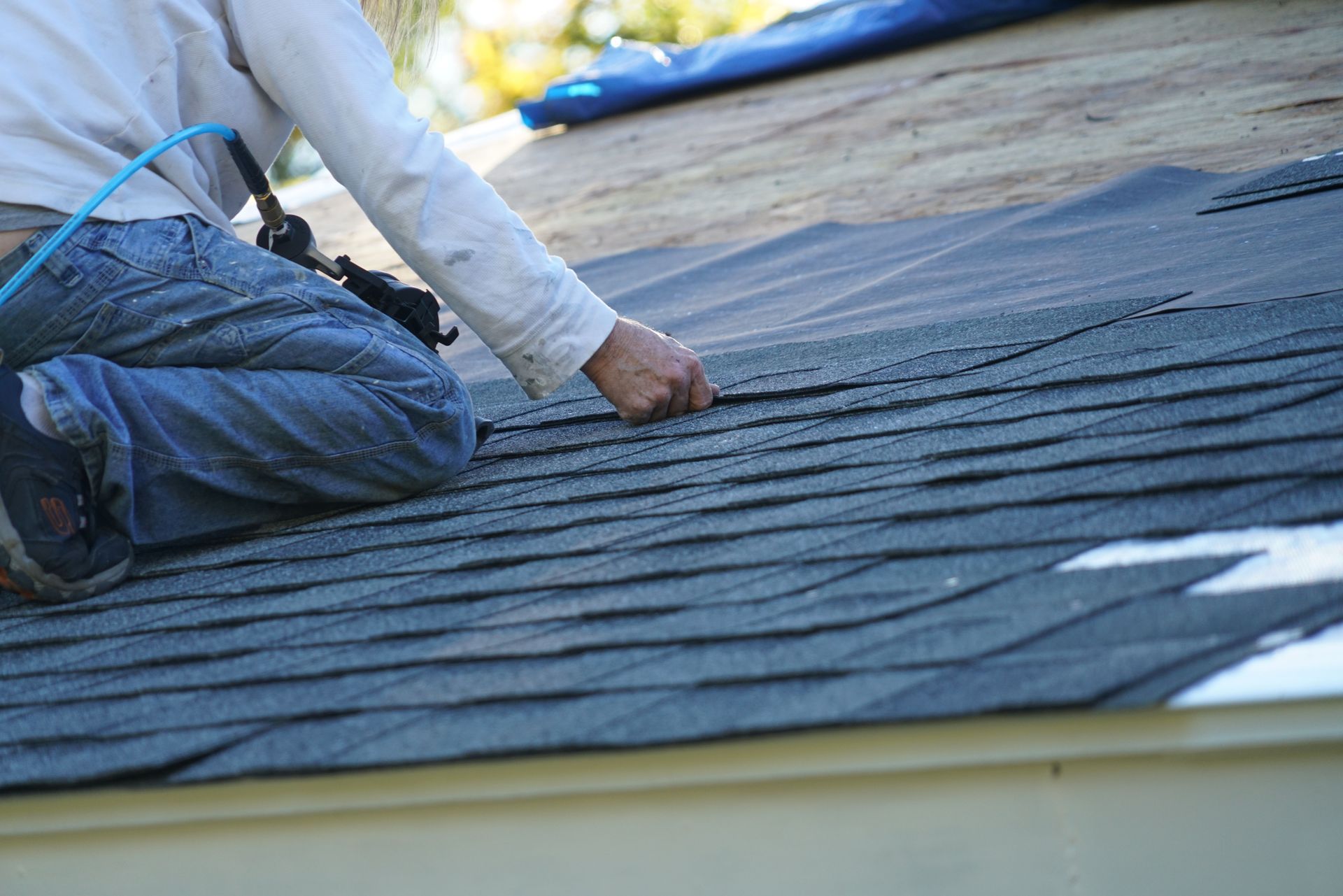
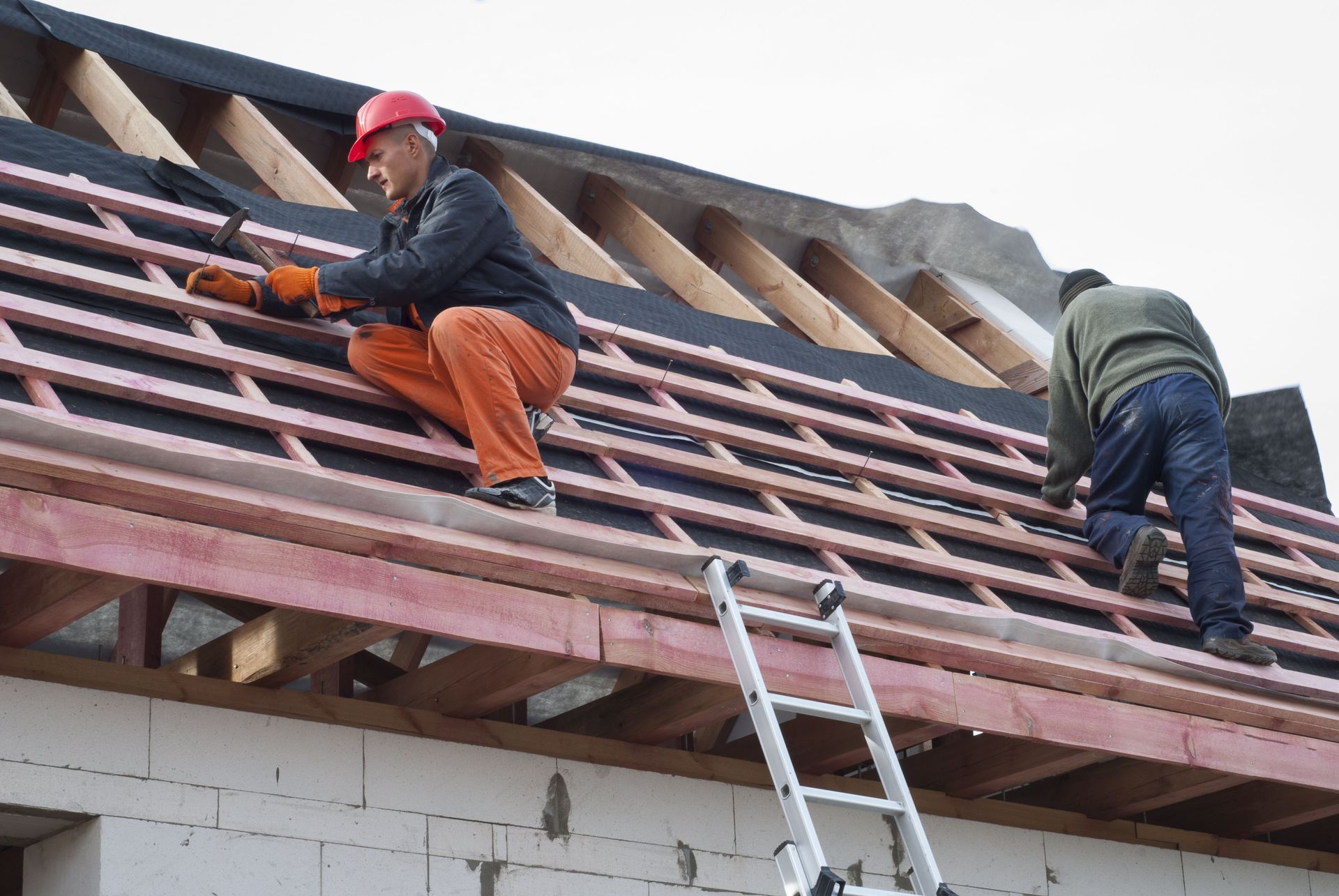
Even the highest-quality roofing materials cannot perform as intended without proper installation. Incorrect installation can lead to gaps in insulation, inadequate ventilation, water intrusion, and premature material failure. These issues often reduce energy efficiency and increase the likelihood of costly repairs over time. Professional roofing contractors understand manufacturer specifications and local building requirements, ensuring that every component is installed correctly from the start.
Expert installation also contributes to the long-term durability of the roofing system. Proper flashing placement, secure fastening methods, and precise sealing techniques help protect the home from harsh weather conditions and moisture damage. Homeowners who partner with experienced roofing contractors gain confidence that their investment is protected and optimized for maximum performance. Quality workmanship not only enhances comfort and efficiency but also helps preserve the value of the property for years to come.
Choosing the right roof influences nearly every aspect of home performance. Materials, color, ventilation, durability, and construction methods all contribute to comfort, efficiency, noise reduction, and long-term savings. By understanding how these factors work together, homeowners can create living environments that are more comfortable, economical, and resilient.
If you are considering an upgrade or want to improve the performance of your current roofing system, turn to Roofing Unlimited Inc for professional guidance and dependable service. Our experienced team can help you select solutions tailored to your home's unique needs. Working with skilled roofing contractors ensures that your investment delivers lasting protection, improved efficiency, and peace of mind for years to come. Contact us today!
Share On: