
13 Factors to Consider Before a New Roof Installation
Replacing a roof is one of the most significant investments a homeowner can make, impacting both the safety and value of a property. Whether your current roof is aging, damaged, or simply outdated, understanding the critical factors before scheduling a roof installation can save time, money, and stress. In this guide, we break down the key considerations homeowners should weigh to ensure their new roof meets their needs for durability, efficiency, and aesthetic appeal.
1. Assessing the Condition of Your Existing Roof
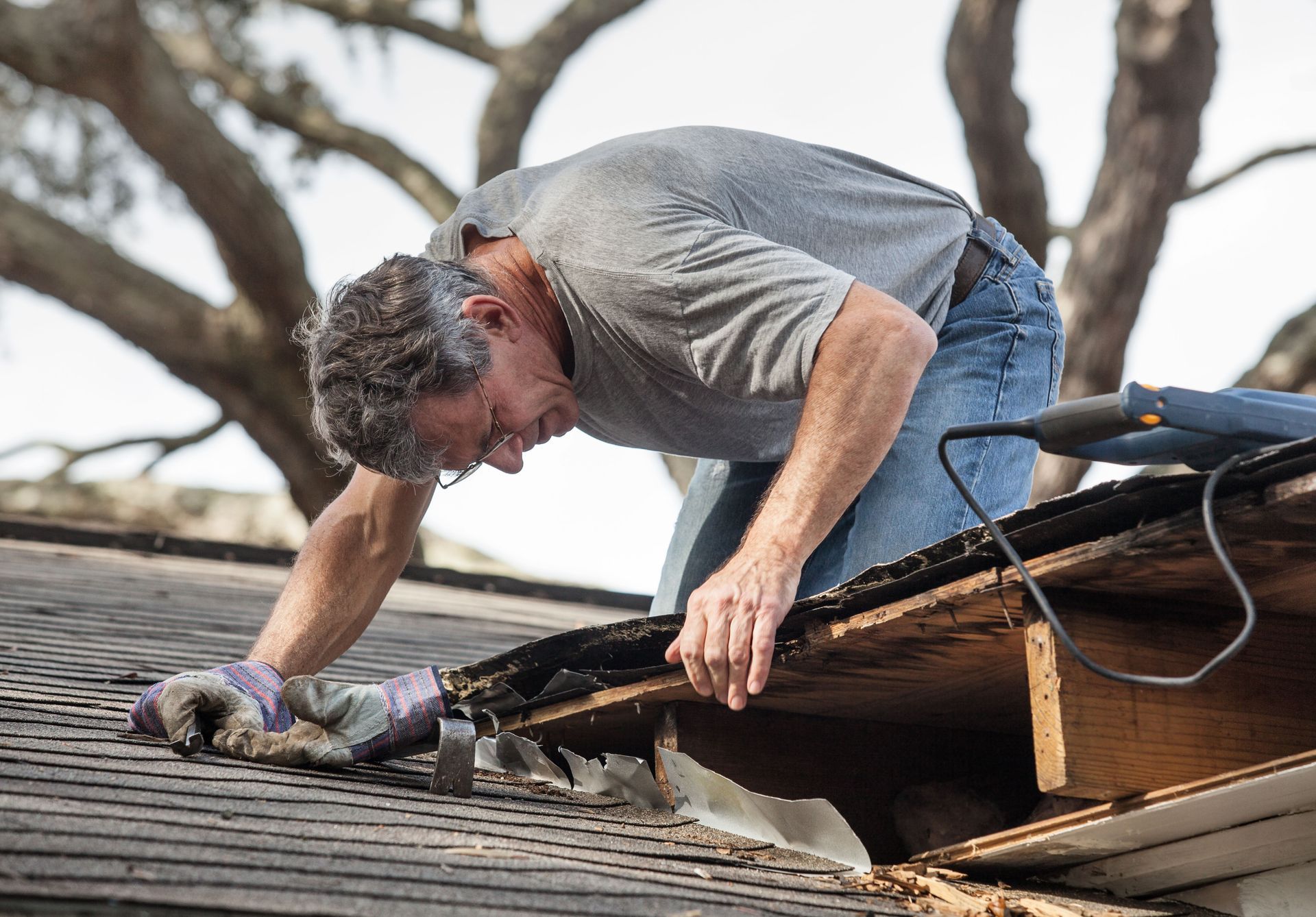
Before committing to a new roof installation, it is essential to understand the condition of your current roof. Factors such as leaks, sagging, missing shingles, or signs of water damage indicate that your roof may be nearing the end of its lifespan. Even minor issues, if ignored, can escalate into major structural problems. Professional roof inspections provide an accurate assessment and can guide you on whether repairs or a full replacement is necessary. Attempting to evaluate these issues yourself can be risky and may overlook critical concerns, emphasizing the importance of working with certified roofing professionals.
2. Evaluating Local Climate and Environmental Factors
Your roof must withstand local climate conditions. Areas prone to heavy rain, snow, or high winds require materials and installation techniques designed for resilience. For instance, in regions with frequent hailstorms, impact-resistant shingles may reduce long-term repair costs. Similarly, homes in hot climates can benefit from reflective roofing materials to reduce energy costs. Environmental factors such as nearby trees can also affect your roof through falling debris or excessive shade, leading to moss or mold growth. A professional installer can recommend materials and designs suited to your specific environment, ensuring both durability and performance.
3. Considering Roof Installation Timeline and Disruption
A roof installation can significantly impact your daily life due to noise, debris, and restricted access to certain areas. According to Medium, it can take between three and seven days to install a new roof, depending on the size and complexity of the project. Planning for this timeline is essential to minimize disruption to your household. Professionals coordinate schedules efficiently and manage the logistics of materials, permits, and debris removal, providing a smoother process than attempting a DIY installation, which can extend the timeline and introduce safety risks.
4. Calculating Budget and Cost Considerations
Cost is a major factor when planning a roof installation, but it's important to consider more than just the initial price. High-quality materials and professional labor may carry higher upfront costs but often result in fewer repairs and longer-lasting results. Additional expenses may include structural reinforcements, permits, and disposal fees for the old roofing materials. Comparing multiple estimates from licensed contractors ensures you get a realistic picture of the investment required. Cutting corners with DIY methods or substandard materials can lead to costly mistakes and potential safety hazards.
5. Understanding the Importance of Professional Installation
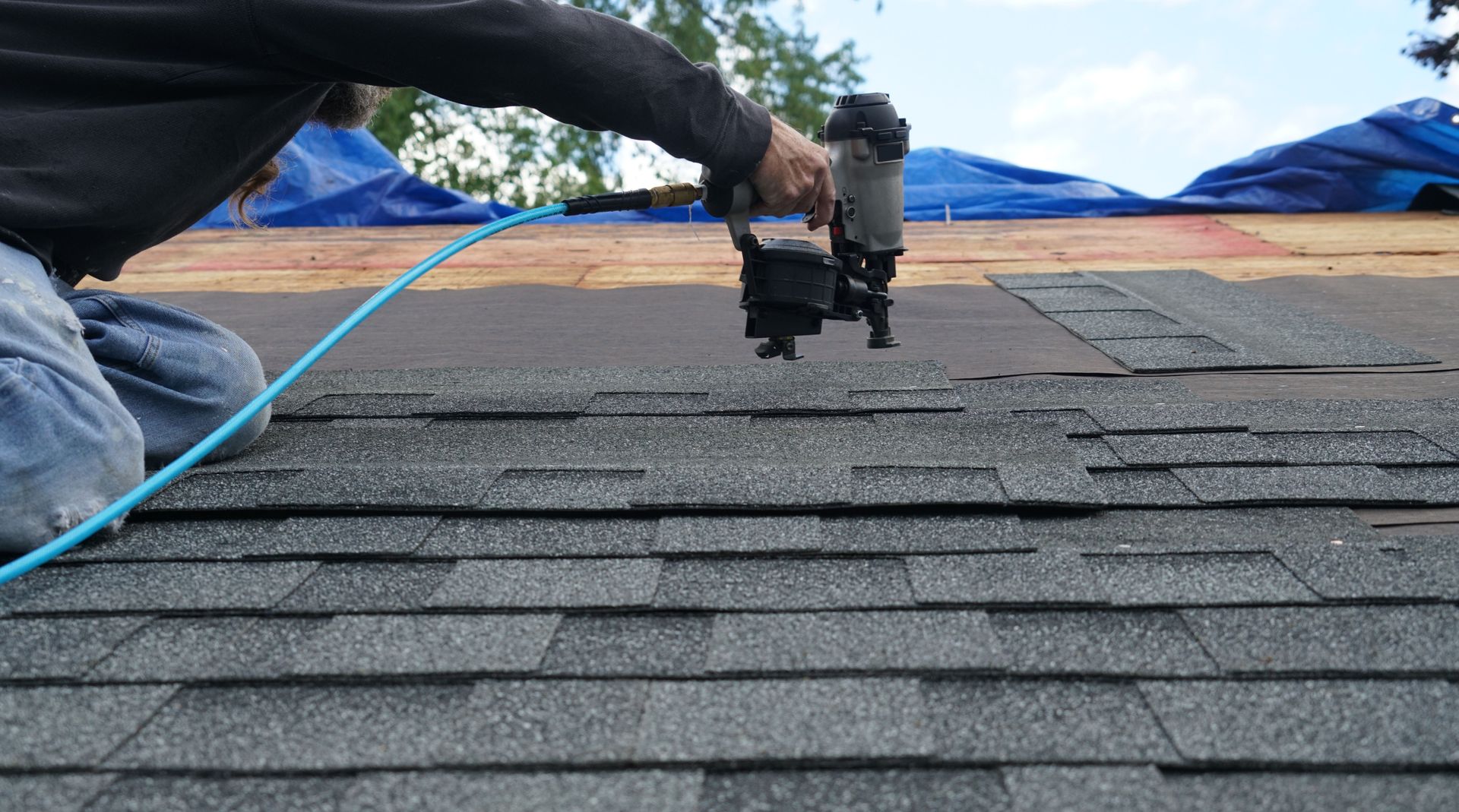
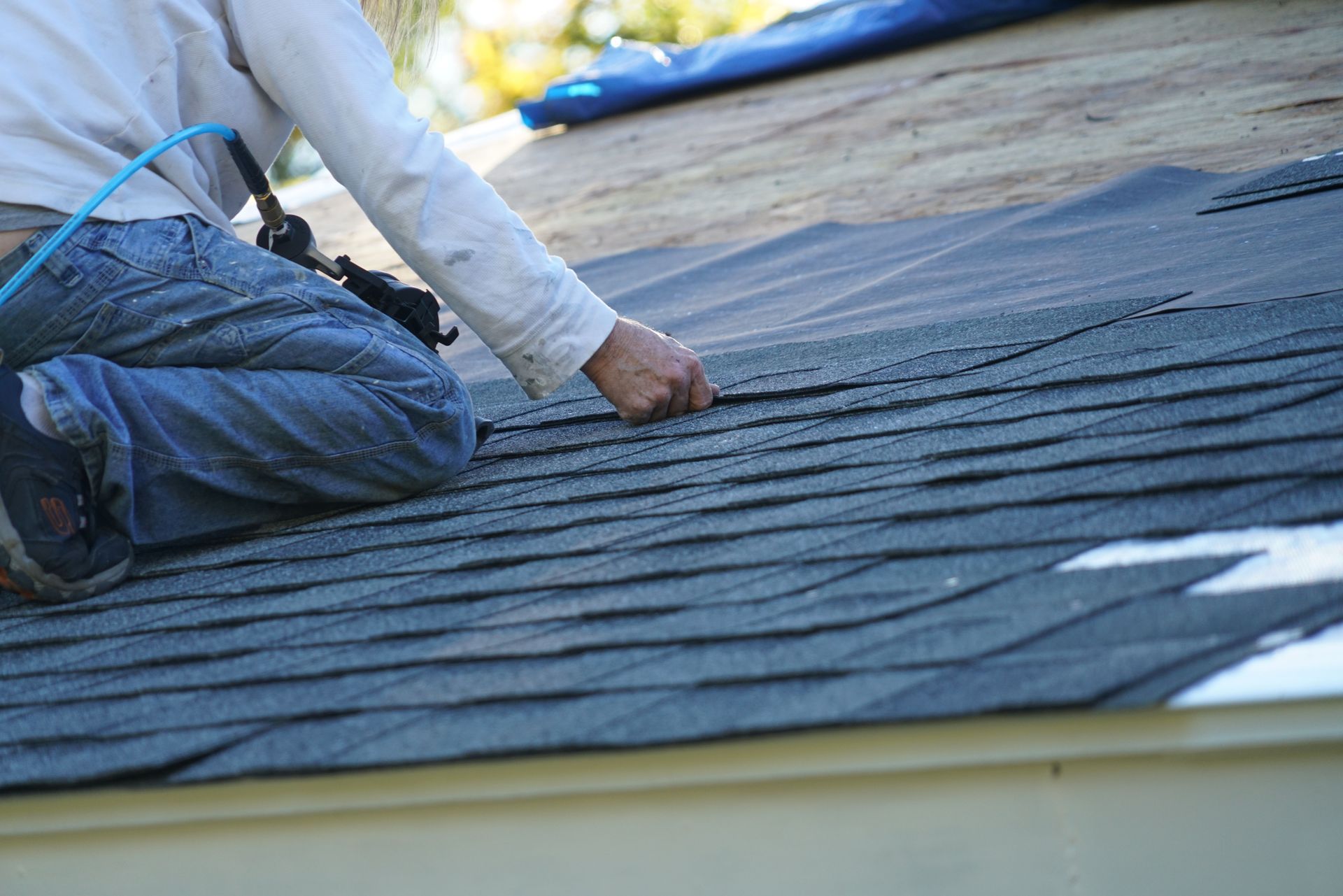
Roof installation is not just about placing shingles or tiles—it requires specialized knowledge of roofing systems, weatherproofing, ventilation, and building codes. Incorrect installation can lead to leaks, premature wear, or even structural damage. Professionals are trained to handle these complexities efficiently and safely. While DIY projects may seem cost-saving, the risks of improper installation and potential liability far outweigh the perceived savings. Engaging experienced roofing contractors ensures your roof meets industry standards and maintains its warranty protections.
6. Reviewing Roofing Warranties and Insurance Coverage
A new roof represents a long-term investment, making warranties and insurance crucial considerations. Most reputable roofing materials come with manufacturer warranties that cover defects, while professional installers often provide workmanship warranties for added peace of mind. It's also important to verify that your contractor carries liability and workers' compensation insurance to protect your property and household in the event of accidents. Proper coverage ensures that you won't be financially burdened if something goes wrong during installation or shortly afterward.
7. Factoring in Aesthetic and Curb Appeal
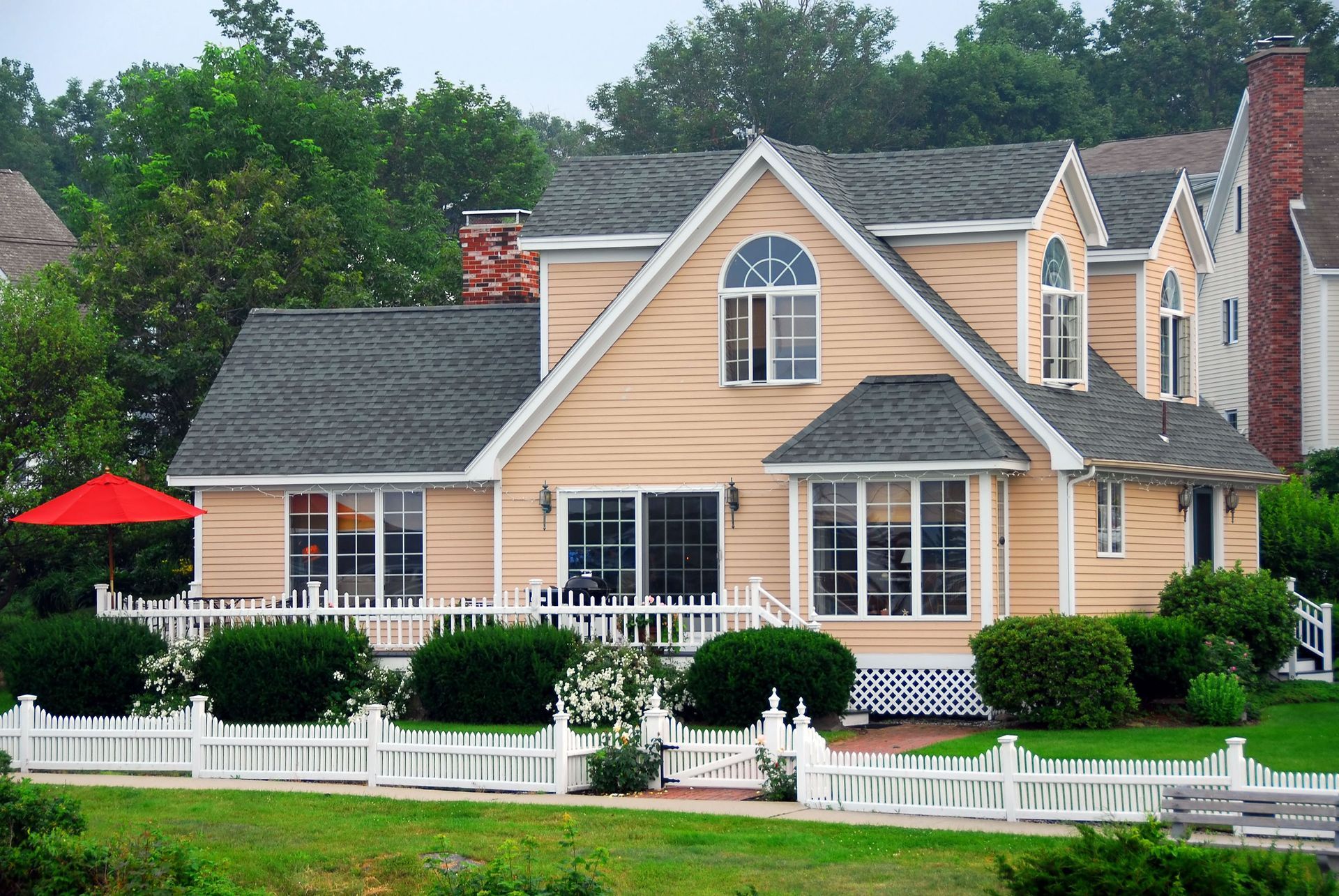
A roof significantly influences your home's visual appeal. Style, color, and material choice can complement architectural features or create a bold statement. However, aesthetics should not compromise functionality. A professional roofing contractor can provide design options that balance beauty and performance, ensuring your new roof enhances your home's overall look while standing up to environmental challenges. Proper planning also allows for consistent material color and texture, preventing mismatched patches that can detract from curb appeal.
8. Anticipating Maintenance and Longevity
Even high-quality roofs require regular inspection and maintenance to extend their lifespan. Understanding the maintenance needs of different materials—such as cleaning gutters, removing debris, or inspecting flashing—is essential for long-term performance. A well-installed roof can last decades with minimal upkeep, while improper installation or neglect accelerates wear and damages. Partnering with professional roofers ensures that you receive guidance on preventative maintenance, helping you avoid costly repairs and prolong the life of your investment.
9. Preparing for Potential Structural Adjustments
Some homes may require structural adjustments to support a new roof, particularly if you are changing materials or adding weight with tiles or slate. This could involve reinforcing rafters, improving ventilation, or upgrading insulation. A qualified roofing contractor can evaluate your home's structural integrity and recommend modifications before installation begins. Attempting such adjustments without expertise can compromise safety and lead to serious long-term issues.
10. Scheduling for Weather and Seasonal Considerations
Weather plays a critical role in roof installation success. Rain, snow, or extreme heat can delay projects, affect material performance, and pose safety risks. Scheduling your installation during favorable weather conditions reduces the likelihood of complications. Professional roofing teams monitor forecasts and adjust timelines accordingly, ensuring that work proceeds safely and efficiently while minimizing potential damage or delays.
11. Planning for Safety and Compliance
Safety is paramount in roof installation. Falls, heavy materials, and rooftop hazards make professional experience indispensable. Licensed contractors follow strict safety protocols, use proper equipment, and adhere to local building codes. Compliance with these regulations protects homeowners from legal liabilities and ensures that your new roof meets safety standards. DIY approaches often overlook these critical requirements, exposing you to unnecessary risk.
12. Planning for Ventilation and Moisture Control
Proper ventilation is a critical but often overlooked factor in roof installation. A well-ventilated roof helps regulate temperature, prevents ice dams in colder climates, and reduces moisture buildup that can lead to mold or structural damage. Roof vents, ridge vents, and soffit systems work together to maintain airflow and protect your home. Professionals can assess your attic and roof design to recommend the most effective ventilation strategy. DIY attempts to manage ventilation without expertise can result in trapped moisture or energy inefficiency, underscoring the importance of consulting with certified roofing contractors.
13. Considering Long-Term Property Value
A new roof affects more than just your home's safety—it impacts long-term property value. High-quality materials, proper installation, and attractive aesthetics can enhance curb appeal and increase resale potential. Potential buyers often view a recently installed roof as a sign of a well-maintained home, which can influence offers and appraisals. Choosing a reliable professional for roof installation ensures your investment pays off both in durability and property marketability. Cutting corners or using subpar materials may save money initially but can reduce your home's value and result in costly repairs in the future.
Investing in a new roof is a complex process that involves careful planning, informed decision-making, and professional expertise. Each factor contributes to a durable, efficient, and aesthetically pleasing roof. By prioritizing professional roof installation, you minimize risks, ensure compliance with local regulations, and protect the long-term value of your home.
At Roofing Unlimited Inc, we guide homeowners through every step of the roof replacement process. From inspection to installation and follow-up maintenance, we provide expertise, reliability, and peace of mind. Contact us today to schedule a consultation and ensure your home is protected with a roof built to last.
Share On: