4 Hidden Dangers of DIY Roof Repairs
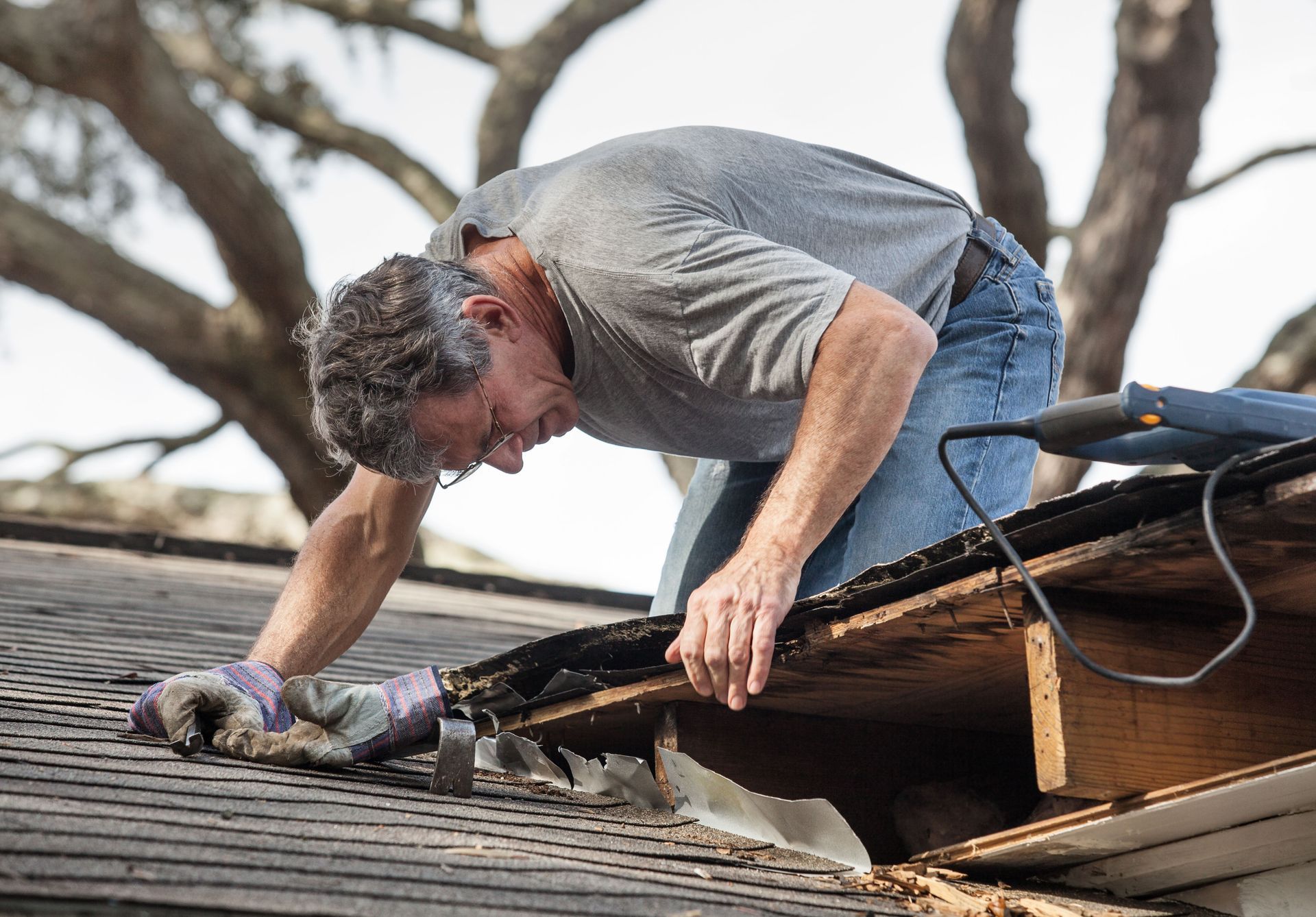
Roofing is one of the most critical aspects of home maintenance, yet it’s often overlooked until a leak or other damage occurs. For homeowners trying to save money, the idea of repairing a roof themselves can seem appealing. After all, a DIY approach promises the satisfaction of handling problems independently, and many online tutorials make it appear simple. However, beneath the surface, a DIY roof repair carries significant risks that can lead to serious injuries, unexpected expenses, and long-term damage to your home. Understanding these dangers is crucial before stepping onto your roof with a hammer in hand.
While the internet is full of “easy” repair guides, the reality is that roofing work is physically demanding, technically complex, and potentially hazardous. In this article, we will explore the hidden dangers of DIY roof repairs and why hiring a professional is often the safer and smarter choice.
1. Physical Risks and Safety Hazards
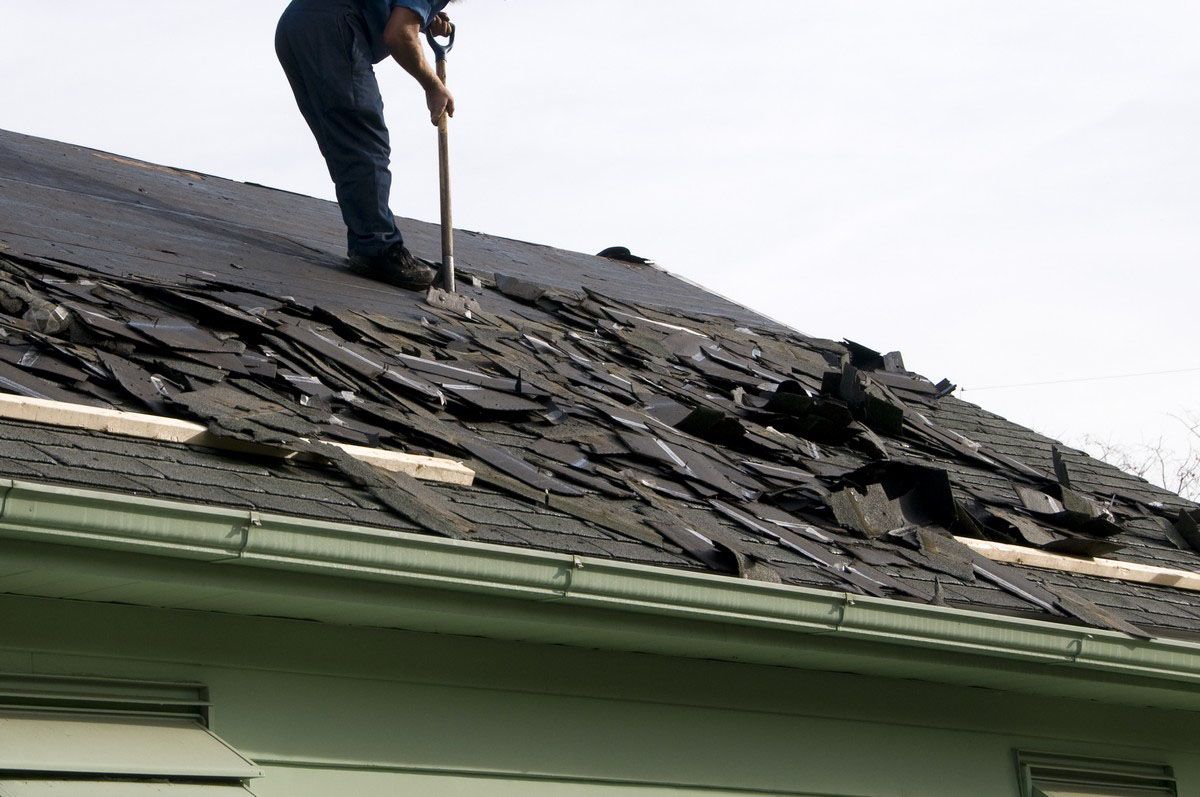
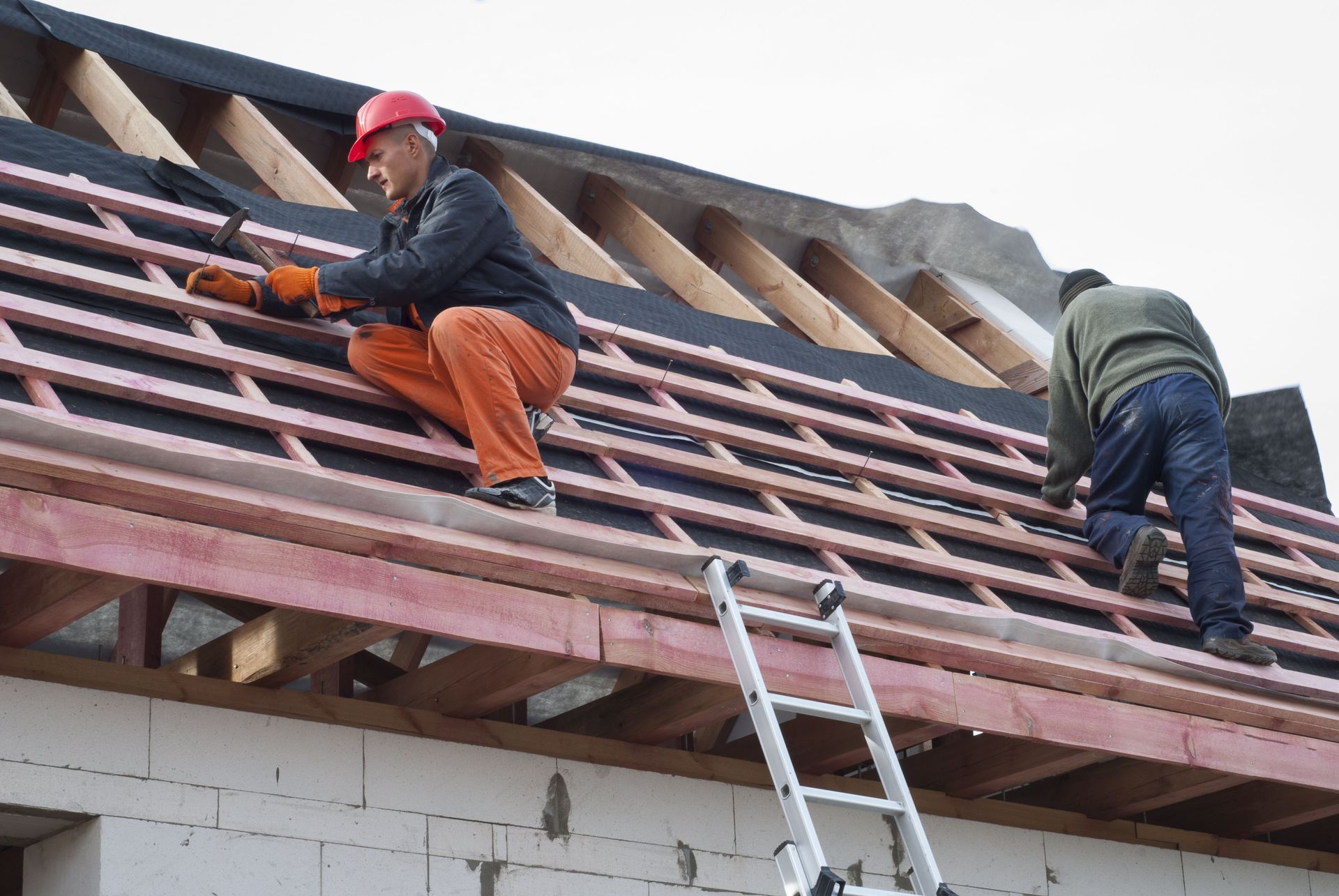
One of the most obvious dangers of a DIY roof repair is the risk of injury. Roofs are high off the ground, and falls can result in broken bones, concussions, or even fatalities. Even experienced homeowners often underestimate how slippery shingles can become after rain or how quickly balance can be lost on an angled surface.
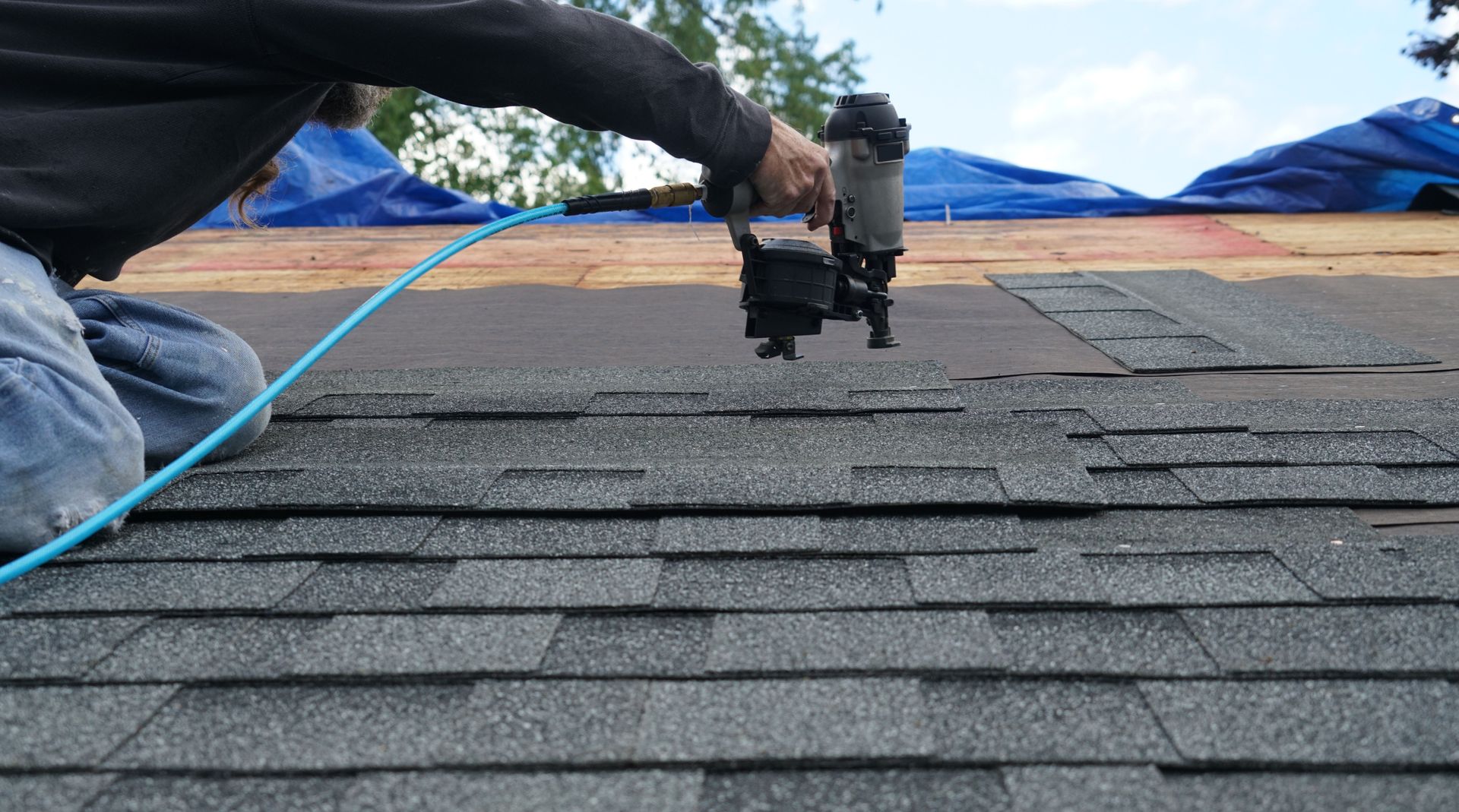
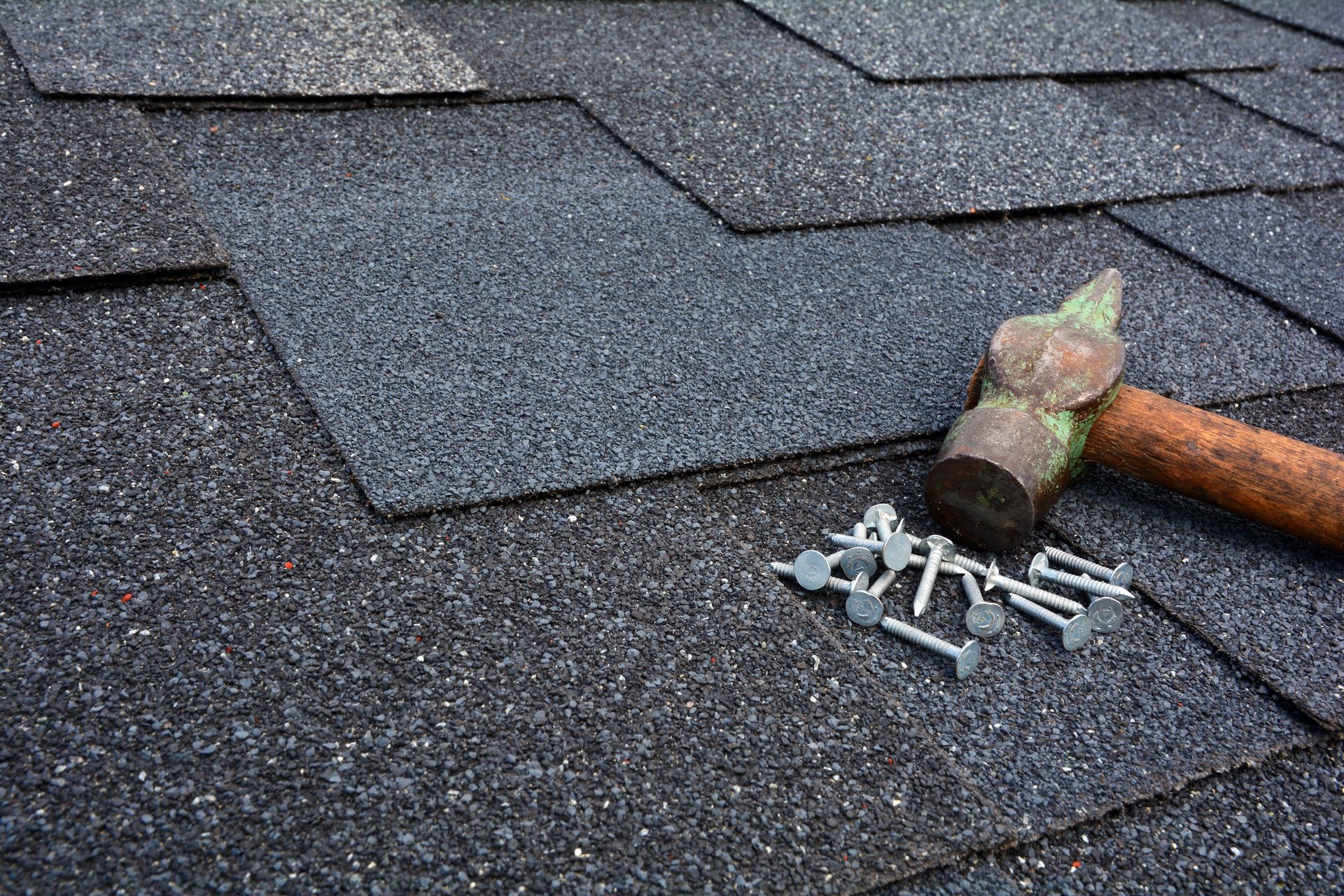
Beyond falls, roof work involves sharp tools and heavy materials, creating the risk of cuts, punctures, and musculoskeletal injuries. Handling roofing nails, saws, and metal flashing without proper protective equipment can quickly turn a simple repair into a medical emergency. Even minor injuries can become complicated when they happen far from immediate help. Wearing safety harnesses, non-slip footwear, and gloves helps, but these precautions are often ignored by homeowners attempting DIY fixes.
Additionally, exposure to environmental factors can be hazardous. Hot shingles under direct sunlight can cause burns, while working in cold or wet conditions increases the likelihood of slips. Electrical hazards also exist when dealing with attic wiring near roof structures, and improper handling can lead to shocks or fires. Taken together, these physical risks underscore why roofing is considered a high-risk occupation and why professional training matters.
Finally, fatigue is an underestimated factor in DIY roof repairs. Even short projects can be physically exhausting, leading to lapses in judgment and coordination. A homeowner tired after a few hours of bending, lifting, and climbing is far more likely to make mistakes that could result in injury or worsen roof damage. The combination of height, tools, and physical strain makes DIY roofing a recipe for accidents if proper precautions are not followed.
2. Structural Damage Risks
Beyond personal injury, a DIY roof repair can unintentionally compromise the structural integrity of your home. Roofs are carefully engineered systems, designed to protect your house from the weather while distributing weight evenly across the framing. Incorrect repairs can create weak points, resulting in leaks, sagging, or more extensive damage over time. Even small errors, like misaligned shingles or improperly sealed joints, can escalate into major structural issues that are costly to fix.
For instance, failing to install flashing correctly can allow water to penetrate the underlying layers, leading to rot in wooden beams or insulation damage. Over time, this water intrusion can weaken the roof deck, create mold growth, and even affect the interior walls of your home. What starts as a seemingly minor patch job can turn into a full roof replacement if the underlying damage is exacerbated by improper repair.
Another structural risk comes from using incorrect materials. Many homeowners purchase cheaper alternatives or mismatched shingles to save money. While this may seem like a simple solution, it can create weak points in the roof and affect the overall durability of the roofing system. Materials not designed for your roof type may fail under weather stress, leaving your home exposed to wind, rain, and snow.
It’s also important to recognize the long-term consequences of DIY repairs. According to Today's Homeowner, repairing a roof is usually a better option when the roof is less than 15 years old, and the damage is minor. However, if a homeowner incorrectly assesses the extent of the damage or misapplies repair techniques, a minor issue can quickly escalate. What could have been a quick, cost-effective repair may end up requiring a full replacement—significantly increasing expenses and stress.
3. Financial Implications
While many homeowners attempt a DIY roof repair to save money, the financial risks can actually outweigh any initial savings. First, injuries sustained during roofing work can lead to costly medical bills, missed work, and long-term health consequences. These expenses can quickly eclipse the cost of hiring a licensed contractor.
Secondly, improper repairs can void manufacturer warranties on roofing materials. Most shingles and underlayment products come with warranties that require professional installation. A DIY repair may make these warranties invalid, leaving homeowners responsible for the full cost of any future damage. This is particularly concerning for newer roofs, where the investment in materials is still significant.
Insurance complications also arise from DIY roofing. If damage occurs during or after a DIY repair, some homeowner’s insurance policies may refuse to cover the repairs or resulting damages. Insurers often require professional documentation of repairs for claims to be valid, and failure to comply can result in denied claims. This adds another layer of risk for homeowners trying to cut costs by doing it themselves.
Finally, the hidden costs of mistakes can be substantial. A misaligned shingle, poorly sealed vent, or under-attached flashing may seem minor but can cause leaks, mold, and structural damage over time. Each of these issues compounds repair costs, often resulting in more financial strain than initially anticipated.
4. Knowledge and Experience Gaps
DIY roof repair projects also come with significant knowledge and experience gaps. Roofing requires an understanding of angles, material behavior, weatherproofing techniques, and load distribution. Without this expertise, homeowners may overlook key details that affect performance and safety.
For example, many novice DIYers do not know how to properly inspect a roof for hidden damage beneath the shingles or underlayment. Water intrusion, weakened decking, and early-stage rot can be invisible from the outside but cause major issues if ignored. Professionals, by contrast, are trained to identify these subtleties and address them before they become costly problems.
Another gap is understanding local building codes and manufacturer guidelines. Improper installation may not comply with local regulations, leading to fines, failed inspections, or complications when selling your home. Professional roofers stay up-to-date with codes, ensuring repairs are compliant and protecting homeowners from legal headaches.
Finally, experience matters when it comes to efficiency and precision. Roof repair services often require specialized tools and techniques that minimize waste and reduce risk. Without the proper skill set, a DIYer may make repeated mistakes, wasting materials, time, and energy. This can turn a single afternoon project into a multi-week ordeal, increasing frustration and potentially causing more damage in the process.
The allure of DIY roof repairs is understandable—many homeowners are motivated by cost savings and a sense of personal accomplishment. However, the hidden dangers of attempting a roof repair without professional expertise are significant. Physical injury, structural damage, and financial risks are just the beginning of the potential problems. Even minor mistakes can escalate into major repairs or replacements, negating any perceived benefit of doing it yourself.
Ultimately, protecting both yourself and your home requires respecting the complexity of roofing. Hiring a professional ensures that repairs are performed safely, according to building codes, and with long-term durability in mind. When it comes to your roof, the safest and most responsible choice is often to leave it to trained experts rather than risking the hidden dangers of DIY repairs. Contact Roofing Unlimited Inc today for fast, reliable roof repair you can count on.
Share On: